

Innovations Rooted in Communities, Designed for Impact
Innovation projects at RAN are primarily dedicated to technology development, product design, and supporting the scaling of solutions that help communities withstand shocks. The ResilientAfrica Network 1.0 (RAN 1.0, 2012-2022) began as a landmark, decade-long initiative that established Africa’s largest university-led resilience innovation ecosystem.
Funded by USAID and anchored at Makerere University in Uganda, RAN 1.0 pioneered a unique, four-hub network spanning 13 countries and engaging over 20 universities across Eastern, Horn of, Southern, and West Africa.
This pan-African structure facilitated the incubation and scaling of over 300 distinct innovations through a multifaceted portfolio of grant programs and capacity-building initiatives. Notable outputs from this thematic area include the “EpiTent”-a next-generation tent optimized for Ebola treatment in hot climates, and the “Pedal-Tap,” alongside mobile-based early warning systems and renewable energy solutions for off-grid communities.
The network implemented diverse funding mechanisms to stimulate innovations and strengthen the innovation ecosystem, including the Resilience Innovation Acceleration Program (RIAP) and Youth Spark Innovation Grants (YSiG).
To ensure these solutions are sustainable and user-centric, RAN utilizes human-centered design (HCD) principles and systems thinking. Workforce development was another critical pillar, with initiatives like the Scaling Off-grid Energy (SOGE) program building technical and managerial capacity for the solar sector across East/Central Africa (via Bopinc) and West Africa (via Whitten & Roy Partnership).
RAN also empowered the institutional ecosystems that nurture innovation. The ‘Strengthening Scaling Ecosystems’ project enhanced support structures within African universities, while targeted workshops, like the Human-Centered Design (HCD) training for the Aga Khan Foundation, built core innovation skills within civil society.
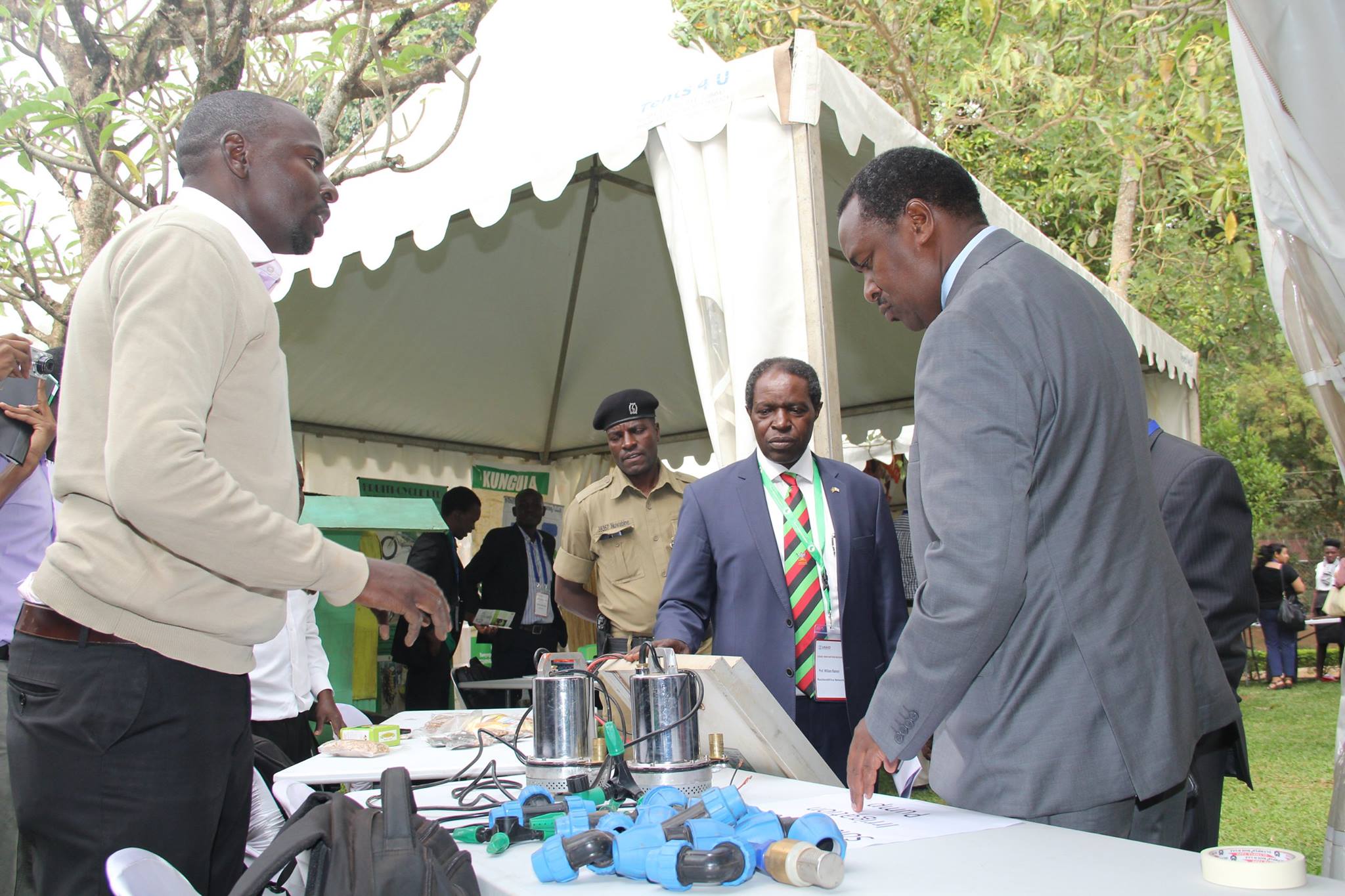
Signature convenings such as the USAID/Uganda Innovation Bazaar directly connected 40 Ugandan innovators with 15 major implementing partners to catalyze agricultural partnerships.
Beyond seed funding, RAN used a hands-on acceleration approach to strengthen the innovation ecosystem.
It adopted an ‘innovation partner’ model, providing nine months of embedded support to scale ventures like Akorion’s EzyAgric platform in Uganda and M-Omulimisa’s mobile extension service. Projects like the ‘Off-Grid Electric Refrigeration’ study and the ‘Packaging Project’ for single-dose fluids demonstrate a focus on addressing specific market barriers and user needs in resource-constrained environments.
Additionally, RAN fosters future talent through fellowship programs like “Celestini Uganda,” which nurtures ICT innovators to solve “last mile” connectivity challenges, and through Social Innovation Labs that provide training in social entrepreneurship and venture development.
Focus was also placed on digital solutions, exemplified by the National ICT Initiatives Support Programme (NIISP) in Uganda, which provided intensive incubation to 25 carefully selected ICT innovation teams across sectors like health, agriculture, and education.
From supporting five connectivity fellows in Uganda under the Celestini Program to establishing a center of excellence for forestry at the University of Liberia through the Higher Education for Conservation Activity (HECA), RAN’s legacy is undoubtedly a successful continent-wide model.